Six Things You Need to Know about Your Writer

writer girl

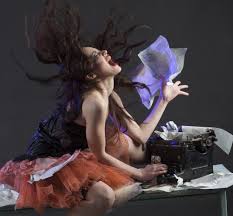
So your friend—or, God help you, your spouse—is a writer. Chances are, the more you get to know your writer, the more confused you’ll feel. Writers are odd ducks. We’re fun. We’re irritating. We’re enigmas and amoebas. How are you supposed to make sense of someone who flip-flops more than cheap rubber shower thongs? It’ll help you to know a few things about us that might make us a little easier to understand. Or not. No one says we are easy.

1. We are extroverted introverts. Writers realize the importance of socialization; in fact, we’re often pushed to network, self-promote, and mingle in order to make the necessary connections to publish our work, or sell it once it is published, so that we can publish again. We can juggle Facebook, Pinterest, and Twitter, all while texting and providing riotous dinner-party banter. Sometimes we are wildly gregarious, prone to spontaneous road trips or bar-hopping. We can be the life of the party, cracking witty jokes you can’t wait to tell your friends at the water cooler, and boogying to every song the band plays. Don’t count on our amusing behavior to last, however, because . . .

2. We are introverted extroverts.  You know that party we looked forward to all week? The one we chattered about incessantly, the one for which we bought a sparkly dress and fabulous shoes? We might arrive and sit quietly in a corner. Yes, last weekend we sang karaoke at midnight and break-danced as an encore, but this weekend we’re happy to play the wallflower, soaking up all that energy we expended the last time we were out. We’re having fun—don’t think we aren’t, even if we’re not smiling—because we’re watching, we’re processing, and we’re thinking. And it’s likely that something we see, hear, smell, feel, or taste will show up later in the story we’re writing.

3. We are usually right. Writers are sometimes perceived as know-it-alls. It isn’t that we believe we know everything, though we surely wish we did. We’re avid researchers, constant readers, and we’re always questioning how this works and why that doesn’t. We study the ingredients on cereal boxes. Our dictionaries actually wear out from overuse. Our Google search history could easily get us arrested. We’re smart, because we thirst for knowledge like a sponge in the Sahara Desert, and we’ll track down an expert for answers as doggedly as if he were the Aquafina man. When we offer unsolicited advice, consider it a gift (this is one we hope you’ll return!), because we give it in the spirit of helpfulness, not haughtiness.

4. But we are often wrong. And it breaks our hearts. It embarrasses us. Mortifies us. Many times, we know the answer, but our always-in-overdrive brains sometimes can’t shift gears quickly enough to turn a tight corner. So when you ask us the difference between a simile and a metaphor, and we answer incorrectly—though we’ve known the answer at a cellular level since third grade—it isn’t because we’re dumb. It’s because our minds are absorbing new information, or we are creating a new character in our minds, or writing a scene for a work in progress—or all of this is happening simultaneously in our heads while we’re attempting to answer your question. Besides, if we truly don’t know the answer, you can bet we’ll look it up.

5. We are not ignoring you. Yes, you’ve said our name three times, and when we finally respond, we ask you to repeat yourself twice. It’s sometimes difficult for us to come back to this planet when we are in a world of our own making. We are often visiting universes that we’ve created inside of our heads. We have to go there. Have you ever read a story and envisioned the scene as if it were playing out in front of you? That’s because a writer became so intensely involved in the creation of that setting that she pictured it in vivid detail—scents, sounds, surfaces, and more—so much so that she temporarily blocked out this world in order to create that one. It’s a necessary part of the job, and it’s what makes us good at what we do. It’s hard to hear you when we’re intently listening to the monologue or dialogue inside of our heads. Be patient. Repeat yourself. We’ll catch up to you.

6. Except when we’re ignoring you. Writing is a solitary profession driven by creativity that requires deep internal thought. The busyness and business of everyday life must be shut out both mentally and physically for us to work at peak capacity and get in touch with our highest creative selves. We’re okay with shutting the door—and locking it. We’re fine going all week without television, and we may equally be fine letting it play all day on the same unwatched channel. We don’t feel guilty letting your call go to voice mail. (In fact, when we’re writing, a ringing phone can be the equivalent of a pipe bomb exploding in our laps.) We can exist for days on coffee and candy corn or wine and Doritos. Don’t worry. We’ll come around soon enough, and we’ll again be ready to jabber until your ears wear out or spin you around the dance floor until your legs grow numb.

We know we’re different. We’re okay with that. And we hope with every breath that you’re okay with it, because we need you. When we come back to this earth, this country, this room, we want to find you there. After all, it’s you we’re writing for.

Tip for Writers:  Be sure to email the link to this article to your your friend or significant other, or print it out and strategically place it where they will see it. Then get back to writing!
WWRD? – What Would Rhonda Do?

enjoli1

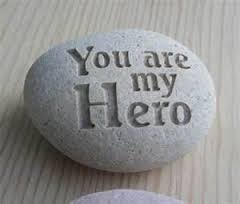
From the time I was a pre-teen, I wanted to be an Enjoli woman; you know, bringing home the bacon and all that goes with it. I love bacon! (Ooops! Sorry. Got a little excited there.) Even now, I have a ridiculous number of personal goals—so many I’d have to live to beyond Methuselah’s age to reach them all. Because of this, I have many role models whom I call my everyday heroes; women whom I admire for the way they do this thing or that thing, who have accomplished goals at which I hope to succeed, who grab life by the horns each day, shouting, “Ride ’em, cowgirl!” I won’t attempt to model myself after Oprah, Martha Stewart, Suze Orman, or Bethenny Frankel, because the thought of having to do all that they do (with the aid of a team of assistants, of course) terrifies me. Instead, women whom I personally know are the sources of my inspiration, because if they can achieve success, there’s hope for me.

I’ll admit that I stretch myself thin. I am a wife and a mother. I work as an editor and ghostwriter. I am an adjunct English professor and a Realtor. I write for this blog and occasionally for two others. I review books, and I am currently writing two novels and revising a short story collection of my own. Rarely does a day pass when I don’t think of at least one of the talented, inspiring, women in my life, and in some small way, I try to imitate the thing they do or have done so well. They are, each one of them, an inspiration to me, and when I’m faced with a challenge, I ask myself, “What would she do?”

Christians sometimes utilize the catch phrase, “What would Jesus do?”, and while it’s admirable to apply that kind of wisdom to the big decisions in your life, I find it difficult aspire to those heights, especially when dealing with life’s minutia. Jesus is a godhead, after all, and since I’m just a regular ol’ human being, I won’t begin to pretend that I can achieve the miracle of feeding thousands with a loaf of Wonder Bread and a can of tuna, when I do well not to burn the casserole. No, I’ll stick with imitating feet-on-the-ground women I admire, whom I can lock into a bear hug of thanks when I successfully mirror one of their achievements.

For example, when I’m faced with a classroom full of bored English comp students, I think, What would Rachel Bragg do? Rachel made literature so incredibly interesting for me that it became my concentration of study. She even coaxed me to study a course on fantasy literature, a subject I thought I hated until I took her excellent course. By mirroring her entertaining, yet no-nonsense approach to engaging and motivating students, my first semester of teaching college was a success.

When I think I can’t find the time to face yet another blank page in one of my works in progress, I ask, “What would Leslie Pietrzyk do?” Leslie teaches in two graduate writing programs, is active in two writing groups, is the editor of a literary magazine, authors a wonderful blog I follow, publishes new essays and short stories seemingly every other week, has authored two novels and is soon to release a third. If she can make time to write with all that’s on her literary plate, so can I.

When friends pop by unexpectedly for an evening (or even a long weekend), I ask myself, “What would Momma do?” I’ve watched my mother joyfully entertain and prepare a spread for a dozen unexpected guests more times than I can count. And, while tiptoeing along the poverty line most of her life, my mother still donates an extraordinary amount of time and energy to charity functions, from hand-stitching quilts for international missionaries, to heading up “The Master’s Basket”, a women’s group that makes and delivers food to sick individuals and bereaved families weekly. She frequently volunteers in her church and community for dozens of different projects as needed. She’ll forever inspire me to give selflessly and generously.

When my writing gets too dark and serious, or my prose falls flat, I think, What would Karin Gillespie do? Karin’s novels, essays, articles, and blog posts never fail to make me laugh, and she finds humor—and writes it so well!—in all of life’s foils and foibles. If you’ve ever chuckled when reading one of my blog posts, it’s because I’ve learned from Karin’s fine example.

So many strong and smart women have inspired and continue to inspire me: my late mom-in-law Georgia White, who was an excellent to-the-penny home-finances manager; many mother/wife/professor/writer friends including Cheryl Russell, Gabrielle Brant Freeman, Kathleen Nalley Moore, and Pam Andrews Hanson (who also writes as Jennifer Drew); my uber-organized editing boss Sandy Tritt; my go-getter real estate broker Enis Qosja and brokerage owner Crystal Anderson . . . I could easily continue naming names and singing praises. You can bet there’s also something about you that I probably admire, prompting me to ask, “What would [insert your name here] do?”

Admittedly, it’s easy for me to get in over my head when I think this way. I often bite off more cud than a four-stomached cow can digest, and I occasionally feel bad when I fall short of the successes my role models have accomplished. Nonetheless, I realize that, while each of these women are phenomenal at one or three things I greatly admire, they may intermittently fail at something I do well. None of us is perfect, yet each of us strives to be successful at whatever it is that we do.

Acknowledging this fact leaves me with one important, pressing question: What would Rhonda do?

I know the answer to this one by heart: she would try very hard.

Extremely hard.

And sometimes she fails, but she cleans up the mess (even if it means sweeping it under the rug until her guests leave), and tomorrow she will try again.

The Enjoli woman should be so fortunate.

SUBMIT!

I suppose that, in this post-Fifty-Shades-of-Gray era, I should tell you up front that I’m not writing about that kind of submission, though a rough spanking might seem preferable to the pain of formatting, reformatting, searching this-week’s-editor’s name, copying and pasting cover letters, adding your name, removing your name, and paying fees from one dollar to thirty of them simply to have your work read—and likely rejected—by the magazine/agent/publisher/editor you’ve long had your eye on. But if you’re a writer, submit you must!

Is there any way to make the submission process easier?

After several years of occasionally (and sometimes rarely) submitting my work, followed by a year of submitting more frequently, I’ve learned a couple of things. If there are painless ways, I haven’t found them, though here are a few facts you can accept and steps you can take to streamline the process and perhaps even soften the pain of rejection.

It’s not you; it’s them. The best literary magazines, most coveted agents, and biggest publishing companies receive—quite literally—hundreds of submissions each day. Imagine this: you drive to work in the pouring rain, get stuck in traffic, break the heel on your favorite pumps while running for the office door, spill coffee on your desk, and then your kid calls to tell you he forgot his homework, so you have to run home to retrieve the homework, deliver it to the school, and restart the process. You’re behind before you even begin. Then you open your email to find your inbox filled with new submissions. You have phone calls to return and meetings to attend, yet those submissions need your attention. How do you begin to sift through them? Like any smart editor, you sift the chaff from the wheat. You immediately reject any submissions that don’t fit your formatting guidelines, that open with a sluggish first page/paragraph/sentence, and those that are pocked with typos. Out of the dozen that are left, you save the few that fit a theme you’ve noticed coming in this month—they’ll make a nice collection when published together—and you reject the rest. After all, you’ll have a hundred more to scour tomorrow.

It’s not them; it’s you. You know you’ve done it. The Muse sat on your shoulder, whispered in your ear, and you pounded out a 5,000-word story in two hours flat, and the story blew your mind. You read through it a second time, and you only found one misspelled word. A. Maze. Ing. This is the story that will get you noticed. You send it to the top fifteen lit mags you’ve been drooling over since your fingers first fit a keyboard, and later that night, you drift off to sleep imagining the acceptance letters you’ll get, the Pushcart nominations, Best American Short Stories calling to ask for your bio, the movie they’ll make of your story, and what you’ll wear on the red carpet when you accept your Oscar.

And then the rejections start pouring in. Not even personalized rejections; they’re form letters! You take a second look, and you realize you called one of the editors by the wrong name—instant rejection. On the next, you submitted a .docx file, when they specifically requested rich-text files only. Then you notice that on page one your main character was named Kathy with a K, and on page six she’s Cathy with a C. And you accidentally wrote affect instead of effect. Ah, the pain. Self-inflicted pain, at that.

Slow down. Proofread. Wait a week. Proofread again. Send your story to a trusted writerly friend. Proofread again. Reformat. Check submission guidelines. Proofread again. Submit.

Do your research. There are some wonderful web sites that make the process of determining which agent is seeking what kind of story, which lit mags are open to submissions and when, and what the word count and submission guidelines are for your genre. I am huge fan of New Pages, which also offers the free service of weekly emails notifying you of calls for submissions, contests, and even conference and retreat notices, as well as book and lit-mag reviews. There’s also a great list that’s updated quarterly at Entropy Magazine, and author C. Hope Clark runs a website called Funds for Writers that has won awards for its regular market updates. Let these amazing services do the initial searches for you.

Keep notes. The best thing I have done to streamline my submission process is to start a submission file. You can use a notebook, a manila folder, a calendar—or simply do as I’ve done—use a Word document. My submission file is simply a table tracking my submission information (date submitted, publication, story submitted, result), followed by an ongoing list of magazines, web sites, agents, and publishers to which I want to submit, each with very brief notes listing maximum word count, passwords (many require you to set up an account), and web address. Don’t bother listing a magazine’s editor, because that may change before you actually submit your work. Always check the publication’s web site for submission guidelines before sending in your work. Always.

circus master

Submit often! You can’t get published if you don’t submit your work. Editors and agents won’t knock on your door and ask to browse your computer files to find a story they can’t wait to print. You have to send your story out, and typically, you have to send it to multiple places before it’s accepted for publication.

Submit a lot! I’m talking quantity, here. At any given time, I have around four to six stories and essays floating among ten to fifteen lit mags and publishers. I know other well-respected authors who can claim four times those numbers. If you always have submissions out there, you always have hope, so the sting of rejection is softened. Just when I’d almost given up (much too easily) on one of my stories finding a home, I received a publication agreement from a magazine I’d long admired. I’d sent the story so long ago that I’d assumed they’d lost it in the slush pile, yet it had been making the rounds from the slush reader, to the fiction editor, to the senior editor.

Following these simple guidelines won’t guarantee your work will be published—if there’s anything I’ve learned, it’s that there are no publication guarantees for writers. But if you’ve worked hard, written the very best story you can write, and followed these guidelines, you’ll stand a much better chance of seeing your name in print.

Write well, and keep submitting!

submit

In the Beginning . . . The Emerging Writer Contest

Well over a decade ago (let’s not discuss just how “well over”), I saw an advertisement for a writing contest, and pretty much on a whim, I entered it. That contest was the West Virginia Writers, Inc. Spring Competition, and I entered the Emerging Poets category with a poem that I wrote about my friend Diana “Hootie” Kirby, who’d recently passed from breast cancer. Hootie must have been whispering in the contest judge’s ear, because I won that year, receiving a nice-looking certificate, a blue ribbon, and a healthy check. More than those material things, however, the prize I cherish most from that contest was the boost to my self-esteem as a bourgeoning writer.

You can imagine my happiness now that I have been asked to judge the Emerging Prose Writer category in the 2015 West Virginia Writers, Inc. Spring Competition. It’s a surreal, full-circle sort of feeling to know that the packet of manuscripts I soon will receive will contain stories written by beginning writers—people at the same starting place and similar skill level at which I entered those many years ago. I will have the amazing privilege of encouraging a soon-to-be-author, just like so many encouraged me in my first creative years as a new writer. It will be a privilege to serve as contest judge, just as it was a privilege to win the prize that year.

Now, let me be clear: after winning, I did not receive calls from New York publishers who were dying to see my work, nor was I swamped with fans asking for my autograph. I wasn’t able to retire from my day job on my prize winnings, and in fact, it was a few more years before I won another contest and had my first story—in retrospect, a pretty bad one—published. Still, winning that first-place award set me on a path that has been nothing short of joyous. I went back to college to study English and literature. I earned an MFA in Creative Writing. I work as a ghostwriter and editor, and my work is now published in literary magazines I long thought of as inaccessible to and unattainable by me.

Yes, I have received plenty of rejections (I got another one just yesterday), and yes, I still work hard to improve at my craft. I humbly recognize that I have so much more to learn, and I look forward every day to acquiring new writing skills. But I will forever be grateful to West Virginia Writers, Inc. for holding their annual contest, and to the judge who blindly selected my poem as the winner. I can hardly wait to return the favor.

I encourage you to submit your stories and poems to the 2015 West Virginia Writers, Inc. Spring Competition. You don’t have to live in or hail from West Virginia to enter and win (see FAQ #37). All submissions are judged blindly (no identifying names or addresses on the work), so all work is reviewed fairly. Click here for more information and a contest form, and click here to check out the judges’ bios—including mine! Yay!

First Place Prize $250        Second Place Prize $125         Third Place Prize $75

I WISH YOU GOOD LUCK!

wvw-banner-300x225

The Cost of Romance: Can You Afford It?

Romance

I don’t have to tell you that Valentine’s Day is approaching. From Kmart and Walgreens ads in your newspaper to Neiman Marcus and Louis Vuitton pitches in your inbox, retailers are quick to cash in on this made-for-lovers holiday. But do you really have to spend money to show your significant other that you care? Are you obliged to invest three month’s salary to prove your love? And in this month where all things heart-shaped are celebrated, must romance be measured by a dollar figure on a receipt?

As an experiment, I spent most of last week asking friends, family members, acquaintances, and—I’ll admit—more than one total stranger, “What is the most romantic (non-sexual) thing your significant other can do for you?” The majority of those I polled are long-married couples, though some are newlyweds, some are engaged or in a committed relationship, and a few are still single.

Pleasantly, I learned that the majority of answers had nothing to do with a purchased present. Instead, the masses (four dozen or so counts as “the masses”, right?) expressed more often than not that it’s “the little things” that they find most romantic. So what makes up the little things? Here are a few confessions about romantic actions—actions are the true gifts—that make the recipients’ hearts sing and stomachs flutter:

  • He goes for long walks with me.
  • She/he brings coffee to me in the mornings.
  • He leaves surprise love notes for me to find.
  • She’s an amazing mother to our kids.
  • He’s a wonderful father to our children.
  • She so strongly believes I can do difficult things that I begin to believe it, too.
  • He emails or texts me in the middle of his busy day, just to see how I’m doing.
  • She does my laundry.
  • He picks wildflowers for me.
  • She sometimes plans the weekend for us, so I don’t have to do it.
  • He talks to me—really listens and talks to me.
  • I overheard her telling someone how much she’s still attracted to me after all these years.
  • He dances with me in the kitchen.
  • She holds my hand in public, showing people that she’s proud to be with me.
  • He surprised me by painting the living room for me while I was at work.
  • She hugs me. You can never go wrong with a hug.
  • He holds my face in his hands and kisses my nose.
  • She/he sometimes cooks/bakes [my favorite meal].
  • He/she trusts me with his secrets.
  • She/he volunteers to run errands for me.
  • She gives me a kiss on the cheek to encourage me.

Out of all whom I polled, only three mentioned purchased gifts; one husband planned a honeymoon after a 25-year wedding vow renewal, one husband planted rose bushes for his wife in honor of each of their children; and a third husband took his wife for a Happy Meal as a warm reminder of one of her happiest childhood events—each a sweet, romantic gesture that had significant meaning going far beyond the typical florist delivery or satin jewelry box.

Gifts and surprise presents are wonderful, no doubt, and I’m sure they mean a lot to the recipient. Still, it’s important to recognize how much each of these small moments, these priceless gifts of thought and time, mean to those who received them. Yet in this crazy-busy world, those things seem to cost us more than whipping out the Visa, and that’s exactly why they’re so precious.

While I’m not suggesting you forgo the cards, flowers, candy, or perfume, I am absolutely advocating for a gift from the heart; one that doesn’t cost a dime, but will be treasured more than any trinket money can buy. Can you afford it?

When love is at stake, how can you not?

Ladies and Gentlemen, Start Your Pencils

. . . Or pens, or laptops. Someone probably once told you that writing has benefits. I’m talking about benefits that go far beyond getting published and making a fortune as a bestselling author. (Thank God, because that rarely happens!) Did you their advice seriously? Did it really sink in that writing has actual health benefits? It’s true that writing can heal you and help you in myriad ways, some of which you’ve likely never considered.

Writing helps you gain control of your emotional state. Sure, it would feel great to verbally tear into that co-worker who always takes credit for your work or offers backhanded compliments, but you’ll be the one left looking petty. If you put those feelings on paper (and maybe burn them, depending on what you wrote!), you’ll experience relief similar to what you’d have felt if you told him off in person.

Journaling can help you land a job faster. Laid-off engineers who kept a daily journal had more successful interviews—they were hired—four times faster than their peers who didn’t write.

Writing improves your sense of self and self-trust. Seeing your private thoughts and emotions on a page is validating. It provides self-recognition of your feelings, and this acknowledgment allows you to better appreciate yourself and accept yourself—positive and negative attributes alike—for who you really are.

Keeping a gratitude journal makes you happier. Regularly writing down the things for which you are thankful has been proven in psychological studies to heighten your sense of well-being and actually alleviate the physical pain associated with neuromuscular diseases.

Addressing a problem on paper helps remove fear. Discussing a problem with yourself on paper requires you to organize your thought processes and create clarity. Drawing out your inner wisdom by focusing your thoughts into strings of written words eases difficult decision-making and creates resolve for solving problems.

Journaling inspires you to make better choices. Knowing you will write down your actions later in the day may prevent you from making poor choices. (Would I really want to write that in my journal? Wouldn’t I rather brag about this, instead?)

Writing with pen or pencil improves memory recall. While I’m all about MS Word, I’ve personally experienced the fact that, if I take notes by hand, I do a better job of remembering what I wrote than if I typed those same notes. Now there’s scientific proof that handwriting lists, notes, addresses, incidents, events, and so on better helps you remember them.

Writing reveals limiting beliefs. Re-reading what you wrote weeks, or months, or even years ago helps you see patterns you didn’t know existed. You’ll clearly see answers that were once cloudy. In retrospect, you’ll be able to make better sense of the past, and seeing positive growth through your journaling is an excellent boost to your ego and self-esteem.

Journaling is an ACTion. It is a physical accomplishment that subconsciously directs the mind. It’s a form of written meditation, like downloading your mind. This release of thoughts and feelings is healing—emotionally, spiritually, mentally, and physically.

Do you journal now? If so, what benefits have you found from this “daily dump” of your thoughts and thought processes? If you have never tried journaling, why not start today?

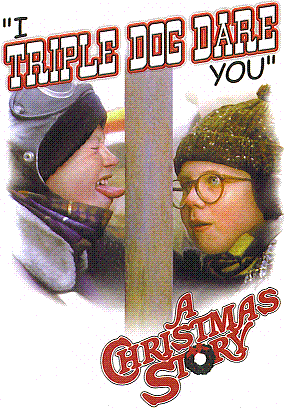
I challenge you (call it a triple-dog dare, if it’ll motivate you) to start and keep a journal for ten days. When that time is up, go back and re-read what you’ve written. What did you discover about yourself during those ten days? Did you sleep better after getting those swirling thoughts out of your head? Do you feel more motivated to work toward a goal? Will you continue to keep a journal? Share with me below how this ten-day experiment worked for you.

triple dog dare

Touchdown Wings

“Left wing, chicken wing, it don’t make no difference to me.” 

–Singer-songwriter Woody Guthrie

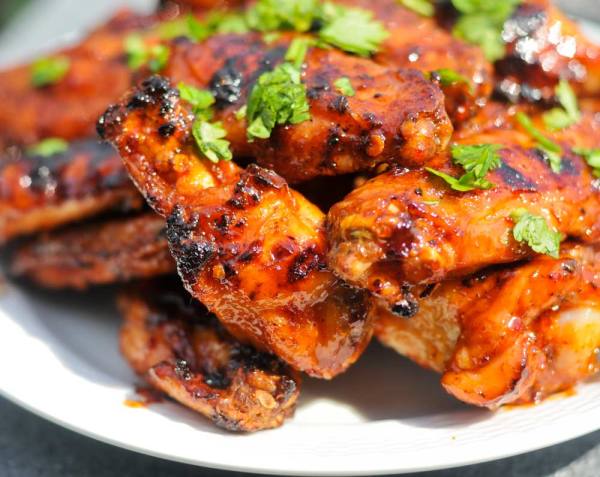
I promised you recipes. No, I haven’t forgotten, because a friend—one who can take persistence all the way to peskiness—reminded me again that I promised you recipes. So, in honor of the Big Game That Cannot Be Named on Social Media, here is one of my prize-winning recipes for the perfect tailgate food—even if you’re tailgating in your own living room.

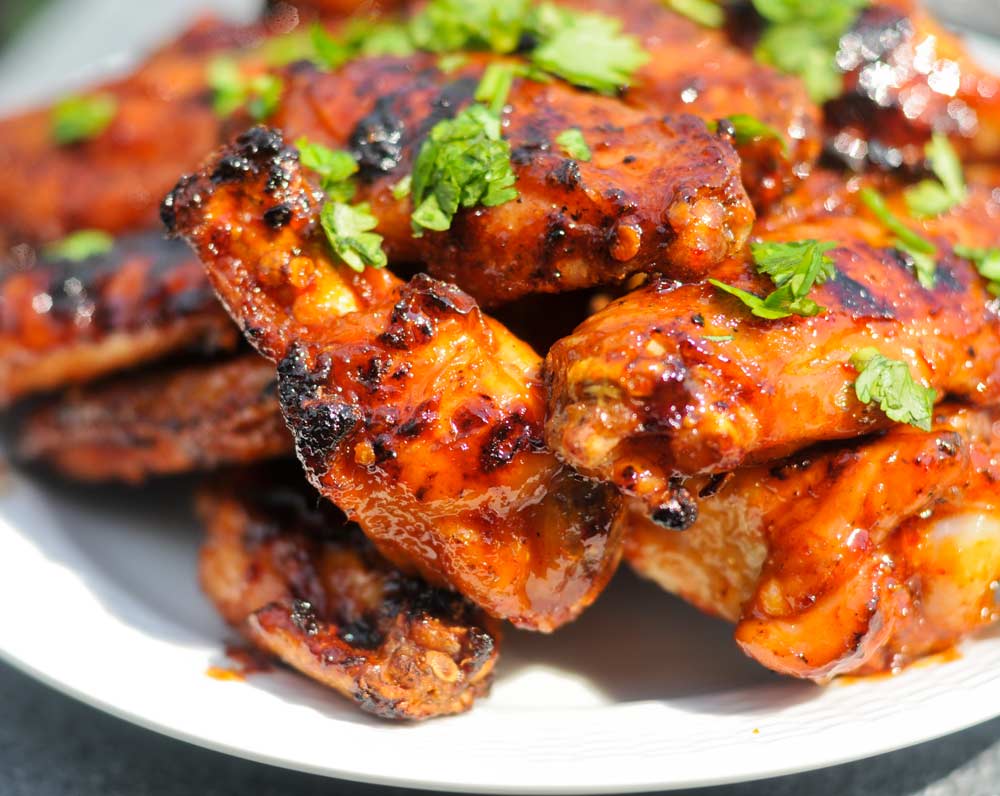
Rhonda’s Touchdown Wings

touchdown wings

 ¼ cup maple syrup

1 large bottle teriyaki sauce

1 tsp chopped garlic

½  cup Tabasco sauce

½ to 1 tsp red pepper flakes (optional)

4-5 pounds chicken wing drumettes

Mix the first four ingredients, stirring well until the maple syrup has dissolved. If more heat is desired (I like mine combustible), add the red pepper flakes. (If you prefer very mild, teriyaki-flavored wings–we’ll call these Field Goal Wings–you may omit the Tabasco sauce, as well.) Now, I have to insist here that you use Tabasco sauce, in lieu of any other brand. Don’t make the mistake of using wing sauce, which, when diluted with teriyaki and maple syrup, will cause your wings to turn out bland, producing Five Yard Penalty WingsYou don’t want that.

Place the chicken in a large, lidded container. Pour the sauce mixture over the wings, and stir well. Cover the wings (shake them if the lid fits tightly). Marinate the wings in the sauce 6-8 hours or overnight. Don’t cheat and cook them after four hours or so. You want the seasoning to permeate the skin and leave you with moist, juicy Touchdown Wings, not Artificial Turf Wings.

For the very best flavor, arrange wings in a single layer on a hibachi, charcoal, or gas grill, and grill five minutes, then turn and grill another 3-5 minutes, until wings are done. If you want to prepare in your air fryer, arrange in a single layer at 375 degrees. Check after 4 minutes, turning or shaking your pan. Return to the air fryer for another three minutes. Monitor thereafter each minute until wings appear crisp and moist on the outside. I highly recommend checking one wing (the largest) for center doneness. NOTE: Air fryers differ greatly, as do their cooking times, so adjust the time for your model.

As another option, you can bake these babies in the oven. Simply line a cookie sheet with foil, and arrange wings in a single layer. Drizzle a scant amount of the marinade over the wings (not much, you only want to keep them moist, not drown them). Bake at 350 degrees for one hour, turning each wing over after 35-40 minutes.

Warning: If you make these wings for friends, know that you’ll have to make them every time there’s a football game, cookout, or picnic. There’s a reason I won a cook-off prize with these yummy little chicklets ($500, y’all!) and one bite will tell you why.

Please Be Nice

“Be nice to each other. You can make a whole day a different day for everybody.” –Richard Dawson


I wonder why it is that so many people find it difficult to be nice. I’m not talking about the Southern gentility of gentlemen opening car doors for ladies, or the young taking the arm of the elderly to assist in crossing the street. Nor am I talking about putting away your cell phone at the table to engage in polite conversation with the person sitting across from you—though these things are indeed nice.

I’m talking about niceness, as in the opposite of rudeness. I’m talking about keeping a civil tone of voice instead of screaming at someone. I’m talking about taking a breath and removing the venom from your voice before answering a simple question.

We all have bad days—I get that. Alarm clock didn’t go off, kid missed the bus, tire was flat, every traffic light turned red, coffee dripped on your suit . . . Murphy’s Laws are ugly laws. The person sitting across from you, however, or the person on the other end of the phone, didn’t cause any of those issues, and they don’t deserve the brunt of your anger. Tomorrow—or even a few hours from now—these things won’t matter. You’ll be on to the next predicament, and then the next, and the next one. What makes each of these challenges easier is to understand that, no matter how bad the moment seems, it will pass, and it’s true that somewhere, someone else is dealing with something much worse than a coffee stain on a new blouse.

But enough with the bromides—except this one: life is tough. Tough for you, tough for me, tough for everyone, but that doesn’t give any of us the right to be mean.

Maybe has to do with my Appalachian upbringing, because where I’m from, we believe it’s our compulsory duty to help our neighbors—even if we don’t particularly like them or agree with their politics, religious choices, or lifestyle. Or maybe it’s because I was raised in a family where I’ve watched my father give the money he needed for his heart medication to a family who lost their home in a fire; or perhaps it’s because I lived most of my life in the South, where hospitality is the norm, and even the meanest comment is often prefaced with “Bless his heart.” Any of these experiences might explain why I’m always stunned, and sometimes even hurt, by rude behavior and meanness.

Recently I completed a simple real estate transaction, and during the very routine process of completing paperwork and legwork, I was screamed at (I’m talking about true, hold-the-phone-away-from-your-ear-to-preserve-your-eardrum screaming) by another Realtor who was angry about something over which I had no control; I was lied to multiple times by a contractor; and I saw a customer reduced to tears because a snappish title-company executive didn’t trust its own title agent (also a notary) to verify a faxed signature he witnessed and notarized. Each one of these upsetting incidents could have been rectified, or at least made easier to accept, with one thing: niceness, a.k.a. honesty and human compassion.

Look, I’m not asking you, or anyone, to jump on the free love, shirt-off-your-back, bow-down-and-kowtow bandwagon. I am, however, asking you to be nice. I’m reminding myself to be nice. NICENESS IS NOT WEAKNESS. Don’t ever mistake it as such. We all know someone in a position of leadership or power whom we can describe as “the nicest person you’ll ever meet”, and we’d never call them weak. Remember that even bad news is better received when it’s delivered respectfully, with kindness and compassion: knowing this puts you in a position of strength and power.

Do you remember the heartwarming, B-rate movie Roadhouse starring the late Patrick Swayze? If so, you’ll recall his lecture to the bar bouncers—the guys who have the job of throwing out knife-wielding, gun-toting drug-smugglers and riffraff—in which Swayze’s character repeats time and again, “Be nice.”

Really, folks, it’s that simple.

You’re going to encounter incidents out of your control today; be nice. You’re going to encounter someone who is arrogant and self-inflated; be nice. You’re going to talk to someone who may be experiencing physical pain, the recent loss of a loved one, a cheating spouse, or financial or emotional bankruptcy; be nice.

If we’re truly lucky, our niceness will be contagious.

be nice

Order from etsy.com here: Be Nice Sign

Writers Reading

It’s a question writers often ask their friends: what are you reading? Often the answer will be a novel from the bestseller list; less often, classic literature or a short story collection; even less often (sadly), a book of poetry. When writers ask other writers the same question, common responses might be reversed, and answers likely include books on the craft of writing.

Writers aren’t snobs to bestselling genre fiction—some of us love nothing more than a lighthearted beach read or eerie horror story now and again. After all, it’s a writer who wrote that bestseller. Still, the books and novels you’ll find on an author’s bookshelf may differ from those on Great Aunt Martha’s shelf, or your cousin’s shelf, or even your best friend’s shelf.

Why is that?

Mostly it’s because, as writers, we understand the importance of reading the best stories, and by best, we don’t necessarily mean bestseller. We mean stories with characters we can’t forget, with plots that we’ll be thinking about a year from now, and with a narrative voice that rings in our ears forever. Writers also understand how crucial it is to study in perpetuity the craft of writing. We are students until the end of our days. While we’re always looking for the next, greatest writing book, we still return to ones we’ve read before, knowing we’ll learn something new—something we missed the first (or second) time around, when our writing skill was at a different level.

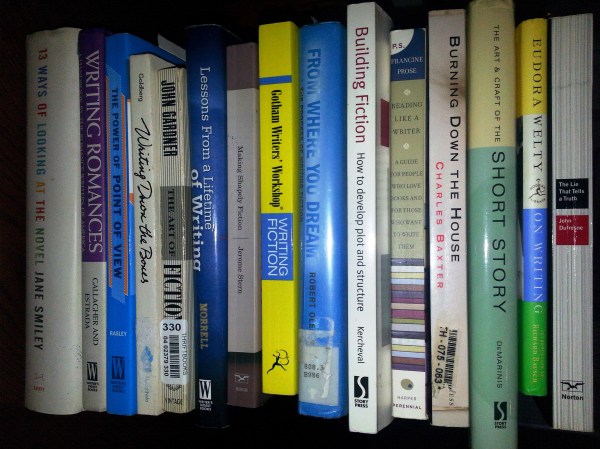
craft boooks

A large shelf in my office is filled with books on writing craft, and there are still more stacks of texts about writing in other areas of my home. Rarely does a week go by that I don’t read a chapter—or several—from one of these sources of inspiration, style, and skill.

Below are titles of a few texts I’ve found extremely helpful as a fiction writer and to which I often return. I hope you’ll share in the comments some of the books on craft that have helped you grow as a writer. Because, as you well relate, I’m always looking for the next great book on writing.

The Lie that Tells a Truth by John Dufresne

The Art and Craft of the Short Story by Rick DeMarinis

Reading Like a Writer by Francine Prose

Burning Down the House by Charles Baxter

From Where You Dream by Robert Olin Butler

Making Shapely Fiction by Jerome Stern

On Writing by Stephen King

On Writing by Eudora Welty

Writing Fiction by Gotham Writer’s Workshop Faculty

Building Fiction by Jesse Lee Kercheval

Writing Fiction: A Guide to Narrative Craft by Janet Burroway

Now share your favorites below!


Amateur Foodie Funday

About once a month, or most any time we’re traveling, my husband Randy and I enjoy our Sunday Funday with an amateur foodie fest. Our rules are simple: aim to try a different restaurant each time, or if we end up at one we’re familiar with, we must try a new dish. The final rule? Have fun! We believe we qualify as amateur foodies; first, because our waistlines prove we’ll try anything once (twice, if it’s yummy); and second, because a good portion of our home is furnished by prizes and prize money I’ve won in cooking contests. Neither of us is the new Tom Colicchio, but we know good food.

This Sunday Funday’s dining drive took us long Florida’s East Coast, so we could enjoy the sun and scenery after a rare week of chilly weather. We began our wannabe-foodie fun with a warm and filling late-morning brunch at the San Diego Grill, a casual, California-style eatery in Port Orange. Randy’s Border Omelet took up half of his plate—a three-egg omelet stuffed with bacon, not-too-spicy pico, jack cheese, and sour cream. The omelet was topped with four slices of ripe avocado and drizzled with a zigzag of sour cream. Toasted, buttered English muffins were his bread of choice, though rye and wheat toast were also available. I ordered the Ham and Cheese Quiche and received a large portion—a quarter of an entire pie. The buttery crust was homemade, flaky, and tender. Small cubes of ham and melted mild cheddar were ensconced in perfectly cooked eggs. Other offerings we passed on included peanut-butter-and-chocolate-chip waffles, spinach and tomato Benedict, French toast, and more. Both of our dishes were served with fruit salad made up of sliced strawberries, red grapes, fresh pineapple wedges (no canned stuff here), and cubes of honeydew, cantaloupe, and watermelon. Here we gave thanks for Florida’s year-round growing season, as everything tasted garden-fresh.

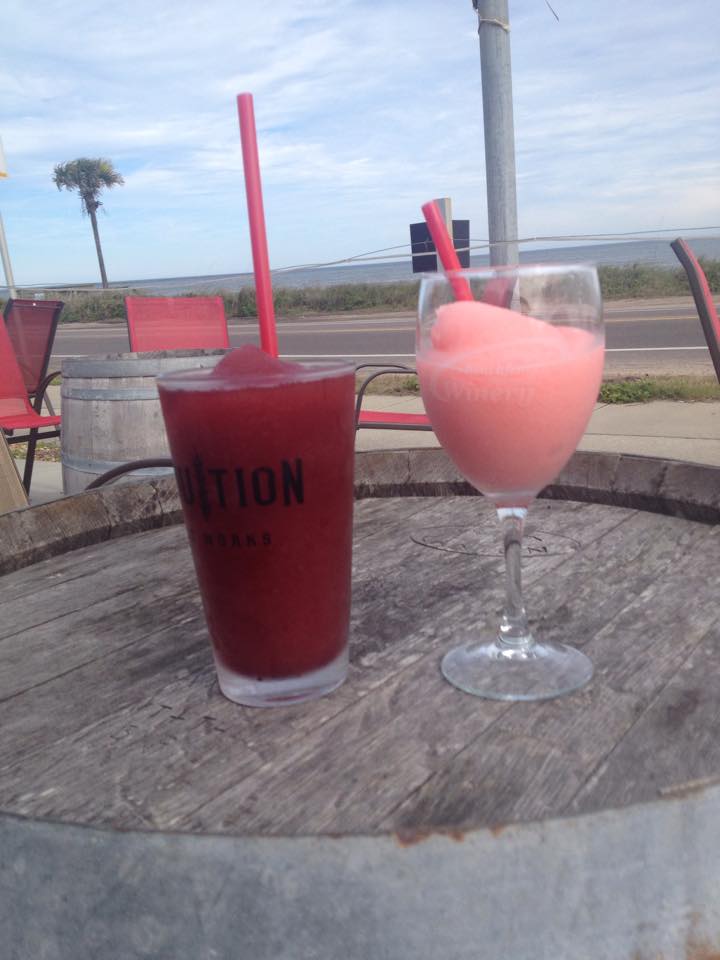
From there we drove north along A1A Scenic Highway to Flagler Beach and Flagler Beachfront Winery, because what good is a sunny day on the coast without a wine slushie? Yes, you read correctly. A wine slushie! Flagler Beachfront Winery brings in grapes from all over the US, including from their own vineyards in Ohio. The wine is bottled by the owners and local volunteers in the on-site bottling room, right across the street from the ocean. Every visit to Flagler Beachfront Winery is different from the last, as different wines and wine blends are available each time, and the winery holds a variety of fun events to keep you coming back. Sunday’s event was a book signing featuring four local authors, but fun-runs, charity events, even chocolate-cake- and popcorn-tastings are on the event list. Tapas is available for noshing, including featured meat-and-cheese plates, breads and oils, flatbreads, and more. Randy enjoyed his favorite of their many wines, Flagler Beachfront Winery’s own Blueberry Sangria wine slushie, while I tried—and loved!—their new Very Berry Sangria wine slushie. We sat on the oceanfront patio and soaked up the warm winter sun while watching dolphins play in the surf. Yeah, being an amateur Sunday Funday Foodie is a pretty great gig.

flagler winery

Next we stopped in at Break Awayz at the Beach, another oceanfront spot that came highly recommended to us, and with good reason. Break Awayz’s local claim-to-fame is their extensive craft beer list, with nearly 200 different offerings. However, their food menu is nothing to ignore, as the offerings are fresh, flavorful, and hearty far beyond the “tapas” sign that greets you. We opted for the Warm Bleu Cheese Chips and were thrilled with our choice. The chips were crunchy, not at all greasy like some homemade chips, and they were smothered with a bleu-cheese reduction made with heavy cream, then topped with sliced, crisp, green onions and a balsamic glaze. Randy tried a frosty-cold Founders Breakfast Stout, a Grand Rapids, Michigan brew made with flaked oats, bitter and sweetened chocolates and two kinds of coffee. (Beer: it’s not just for breakfast, anymore.) A couple at the table next to us ooohed-and-ahhhed over their burger sliders, vowing they were the best they’d ever had. Other menu options include everything from fish dip and stuffed portabellas to tuna tataki and lobster ravioli. The co-owners, brothers Kyle and Nick, each came by our outdoor, oceanfront table to make sure we were happy and had everything we needed. Yes, Break Awayz, we will be back!

Break Awayz bleu cheese chips

 We then cruised south on A1A into Ormond-by-the-Sea, where we stopped at Lagerheads, which touts itself “The Best Dive in Town”. While it’s uber-casual, Lagerheads is far from a dive, as the menu alone attests. Fresh Cedar Key clams, seared ahi tuna, chicken piccata, and fra diablo mussels aren’t your typical dive-bar food. Since we were not exactly starving (being an amateur foodie is not without its challenges) we decided to share a crab cake croissant with a side of coleslaw. The crab cake arrived on a toasted, buttered croissant, and both were the size of a saucer. The sandwich was served with tomato slices, lettuce and a side of rémoulade sauce. Though we loved the moist, flaky crab cake, neither of us were impressed with the rémoulade, which tasted more like tartar sauce with a bit of ketchup stirred in. The coleslaw was tasty enough to make up for what the rémoulade sauce lacked, however; it was both tangy and creamy. Drink selections here included the usual soft drinks, mostly domestic beers with a few premium options, wine coolers, and a couple of red and white house-wine choices.

Blue Grotto deck

Finally, we rode farther down the coast and into Daytona Beach. We came inland, but wanted to watch the sunset over the water, so we went to Blue Grotto Waterfront Dining (outdoor seating deck pictured above) for dessert. It’s an excellent place to lounge and watch the boats come in, and on weekends you’ll be entertained with live music. We were surprised at how empty the place was, as only a half-dozen people sat among the dozens of unfilled tables outside, despite the warm evening and the acoustic guitar entertainment. Dessert options were limited to three; a cheesecake, pie and a fudge brownie sundae. We chose the fudge brownie sundae (sundae funday?), and again, we received an oversized portion—easily enough for three or four to share. My first thought when it arrived was that vanilla ice cream shouldn’t be pale yellow. Oh, and it should probably taste like vanilla, and truly, it didn’t. The ice cream tasted bland, and the fudge brownie had a mild chocolate flavor, far from what I’d call fudge. It was somewhat dry, but of course, as the ice cream melted, it moistened the brownie. Presentation—in spite of the pale-yellow ice cream—was lovely, as the entire plate was drizzled with caramel and chocolate sauces and dotted with whipped cream. In my opinion, this dessert will satisfy a sweet tooth, but I’ll likely go elsewhere the next time I want a decadent dessert. We finished our amateur foodie tour with mugs of hot coffee as we watched the sun slide toward the water—the perfect ending to Sunday Funday on Central Florida’s East Coast.

Blue grotto dessert

Blog at WordPress.com.

Up ↑

www.rhondarandall.com

Author of deliciously decadent stories.

Discover WordPress

A daily selection of the best content published on WordPress, collected for you by humans who love to read.

Suzanne Heagy

Small lives, awkward moments, immense relief.

My Blog

This WordPress.com site is the bee's knees

The View from Goose Hill

A Second Look at What I Thought I Knew about Life

The Skinny Poetry Nation

For those who love, are learning, and have mastered the Skinny Poetry Form

The Backwords Writer

Writer Rosa Sophia

Storyshucker

A blog full of humorous and poignant observations.

Lucy Mitchell Author

Romance Author

Hawaii Pacific Review

Literary Journal of Hawaii Pacific University

Sliver of Stone Magazine

2010-2018 ARCHIVES

#amnoveling

Cathy Day's course on novel-writing at Ball State University

10,000 Tons of Black Ink

Featuring quality literary or experimental fiction and creative non-fiction.